
Safeguarding in Schools: Boundaries, Respect, and Working Together
Posted on:
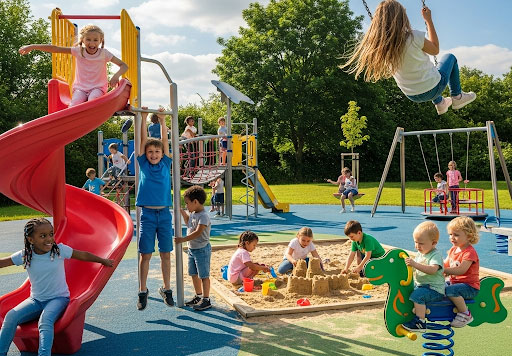
Safeguarding is at the heart of every child’s education. It goes beyond protecting pupils from obvious dangers—it’s also about ensuring they feel safe, respected, and supported in school. Recently, a situation highlighted how playground conversations and behaviours, even when not malicious, can leave some children feeling anxious or uncomfortable.
This is an important reminder for both schools and parents: every child develops at their own pace. What feels acceptable to one child may feel unsettling or inappropriate to another. Without clear boundaries and open communication, these differences can cause distress.
Why Boundaries Matter
Children should be able to learn and play without fear of being made uncomfortable by inappropriate language or behaviour. Boundaries give pupils a sense of security. They make clear what is and isn’t acceptable and help protect emotional well-being.
For schools, this means monitoring playground behaviour, stepping in when needed, and reinforcing respectful communication.
For parents, it means teaching children at home about empathy, kindness, and the impact their words can have on others.
Respecting Feelings
Respect is a two-way street. Some children may feel comfortable talking about relationships or repeating things they’ve heard elsewhere, while others may not be ready for these conversations.
Schools can support by:
- Teaching children through PSHE and assemblies about age-appropriate topics.
- Encouraging empathy and awareness of others’ feelings.
- Setting boundaries around language and behaviour in shared spaces.
Parents can reinforce this by:
- Talking to their children about respect and kindness.
- Helping them understand that not everyone thinks or feels the same way.
- Encouraging children to speak up if something makes them uncomfortable.
Communication Is Key
One of the strongest safeguards for children is clear, open communication between home and school. Parents should always feel confident in raising concerns, and schools should take those concerns seriously. Sometimes, direct conversations between parents may help, but often it’s best for schools to help facilitate so everyone feels supported.
Moving Forward Together
To strengthen safeguarding in situations like these:
- Schools can ensure staff are present and attentive during unstructured times like lunch and break, and continue to reinforce respectful behaviour.
- Parents can model positive communication at home and report issues promptly.
- Both can work together to set consistent expectations, so children receive the same message at school and at home.
Final Thought
Safeguarding works best when schools and parents partner together. Boundaries protect children. Respect builds trust. And open communication ensures every child feels safe, valued, and supported—so they can focus on what really matters: growing, learning, and enjoying their school years.